
The Ultimate Curtain Guide
When it comes to transforming a space, few design elements work as efficiently—and as beautifully—as curtains. They control light, influence mood, add softness, and tie a room’s aesthetic together. But with so many options available, choosing the right curtain style can feel overwhelming. This guide breaks down curtain headings, fabric types, and lengths so you can confidently pick the best option for your space.
Curtain Headings: What They Are and How They Look
The curtain heading is the style at the top of your curtain panel, determining how the fabric falls and the overall look of your window treatment. Here are some of the most popular styles:
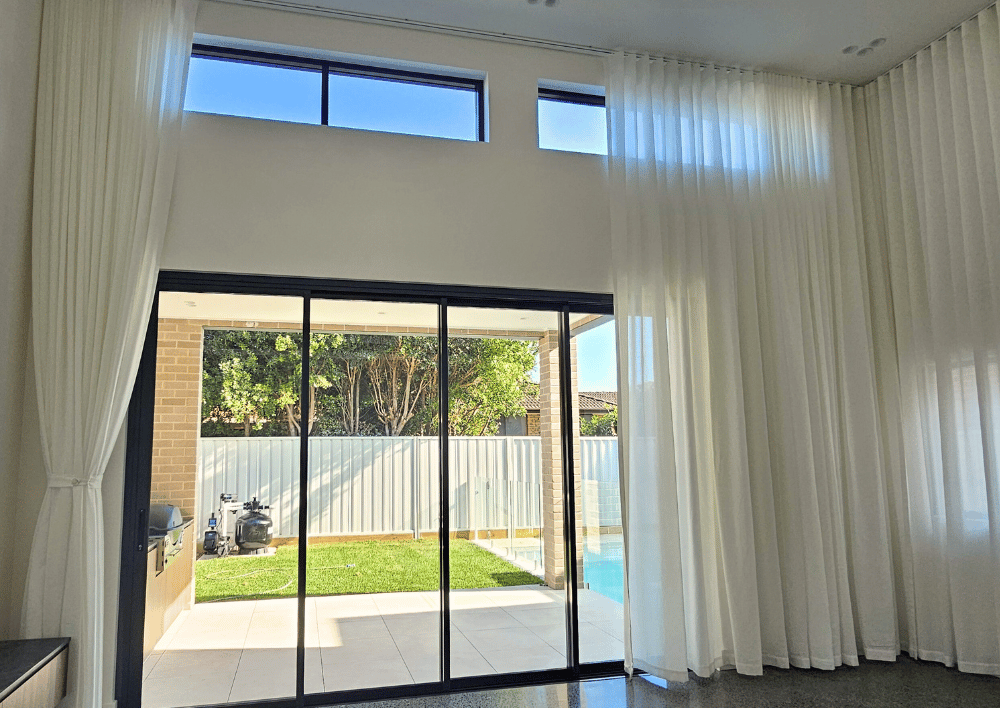
- S-Fold (or Wave Fold)- S Fold curtains create soft, continuous “S”-shaped waves from top to bottom. The folds are even and symmetrical, giving a modern, elegant, hotel-like look. They glide smoothly on a track system, and because of their sleek, structured appearance, S-Fold curtains are perfect for contemporary interiors.
- Double Pinched Pleats
A double pinched pleat features two folds sewn together at regular intervals, giving the curtain a classic, tailored look. The pleats create fullness and shape, making the curtain drape beautifully. This heading suits traditional and transitional spaces where a touch of refinement is desired without feeling too formal. - Single Pinched Pleats
As the name suggests, a single pinched pleat has one fold stitched at uniform points across the top. It offers a more relaxed version of the double pleat—still structured but slightly more casual. Ideal for homes seeking simplicity with a hint of sophistication. - Inverted Pleats (or Box Pleats)
Inverted pleats sit neatly at the back of the curtain panel, creating a clean, flat look on the front. When the curtains are drawn, the fabric expands in a boxy, structured shape. This heading is perfect for minimalistic or modern homes where a crisp, architectural style is preferred.
Curtain Fabrics: Sheer, Light-Filtering & Blockout—What Works Best Where?
Choosing the right fabric is as important as choosing the heading. Different curtain fabrics create different moods and serve different purposes.
Sheer Curtains
Sheer curtains are lightweight and translucent, allowing soft, filtered light into the room while still providing daytime privacy. They create an airy, dreamy effect and are perfect for: Living rooms; Dining rooms and spaces where you want natural light and a relaxing atmosphere. Sheers are often paired with heavier drapes or blockout roller blinds for versatility—light by day, privacy and darkness by night.
Light-Filtering Curtains
These curtains allow some light through but not as much as sheers. They soften harsh sunlight while providing moderate privacy. Light-filtering fabrics are great for bedrooms where you want gentle morning light, home offices to reduce glare or spaces facing bright sunlight. They strike a balance between ambiance and function.
Blockout Curtains
Blockout (or blackout) curtains are designed to stop almost all outside light, making them essential for rooms where darkness is important. They’re ideal for: Bedrooms (especially for shift workers or children); Media rooms; Nurseries.
Aside from blocking light, they also improve insulation and reduce noise, making any room feel cozier and more controlled.
To Touch or Not to Touch? Curtain Length Options
Curtain length affects both the style and practicality of your window coverings. Two popular choices are off-the-floor length and puddling.
Off-the-Floor Curtains
These curtains hover just above the floor—typically 1–2 cm.
Why choose them?
- Easier to clean underneath
- Ideal for high-traffic areas
- Perfect for people who want a neat, modern look
They offer practicality while still looking polished and elegant.
Puddling Curtains
Puddling occurs when curtains extend past the floor and gather softly at the bottom.
Best for:
- Creating a luxurious, romantic, or relaxed look
- Rooms where you want a sense of softness or grandeur
Puddling works particularly well with linen curtains. Linen naturally shrinks over time and with humidity changes, so the extra length ensures the curtains still look beautiful even if they shorten slightly. The soft waves and natural drape of linen make puddling look organic and effortless rather than messy.
Motorised or Manual Operation?
When choosing how your curtains operate, you can opt for motorised or manual control. Motorised curtains are ideal for voids, high windows, and hard-to-reach areas, offering convenience at the touch of a button. They do come at a higher cost, and hard-wired options require electrical provision, while battery motors still pose challenges when installed at tall heights due to charging access. Manual operation, on the other hand, is more cost-effective and perfectly suited for standard, easy-to-reach windows.
Final Thoughts
Curtains are more than just window coverings—they’re an essential design feature that shapes the light, mood, and style of your home. Whether you prefer the chic waves of S-Fold curtains, the timeless structure of pleats, or the crisp lines of an inverted fold, choosing the right heading helps set the tone for your space. Pairing that with the correct fabric—sheer for softness, light-filtering for balance, or blockout for full control—ensures your room functions exactly the way you need it to. And lastly, deciding between off-the-floor or puddled curtains will complete your desired look, blending practicality with beauty.
With the right combination, your curtains can transform your home into a space that feels stylish, comfortable, and uniquely yours.
For custom curtains in Sydney, contact us for an appoinment or shop online for DIY curtains.
Read more on how to measure curtains correctly